


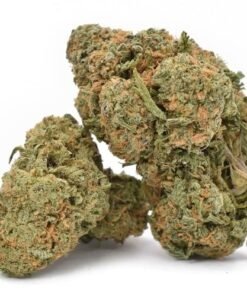


Buy Durban Poison weed Strain Online – Classic Sativa Profile
Durban Poison weed strain is a classic South African sativa known for its sweet, earthy flavor, subtle pine aroma, and reputation for an uplifting cerebral experience. Its traditional genetics and distinctive flower characteristics have made it one of the more recognizable names among classic sativa varieties.
Often associated with energetic, mentally stimulating effects, this cultivar is commonly discussed as a daytime-style strain. Some descriptions report THC levels reaching approximately 24%, although actual potency varies by grower, phenotype, and batch.
Durban Poison weed strain Genetics and South African Origins
Durban Poison is traditionally classified as a pure sativa descended from cannabis cultivated in South Africa. Its history is closely connected to Ed Rosenthal, the American cannabis author and activist who is widely credited with bringing the original genetics to the United States during the 1970s.
The strain subsequently gained recognition for its characteristic sativa profile and distinctive growing features. Although its South African background is well established in popular strain histories, genetic details may vary among modern versions.
Sweet Earthy Flavor With Subtle Pine Notes
Durban Poison has a flavor profile that combines natural sweetness with earthy and herbal characteristics. A subtle pine note adds freshness without overpowering the deeper flavors.
Its commonly reported flavor characteristics include:
-
Sweet: A mild sweetness that gives the profile a smooth character.
-
Earthy: A deeper herbal taste associated with traditional cannabis varieties.
-
Pine: A fresh, woody note that adds contrast.
-
Herbal: A plant-like undertone that rounds out the flavor.
The intensity of these characteristics can change depending on cultivation, curing, and the individual flower’s terpene composition.
Aroma and Flower Appearance
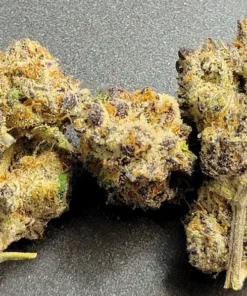
The aroma of this cultivar is generally described as sweet and earthy, with a noticeable but subtle pine character.
Its flowers are often recognized by their rounded, chunky structure and visible resin coverage. Commonly reported characteristics include:
-
Round or chunky flower formations
-
Green coloration
-
Prominent trichome coverage
-
Resin-rich surfaces
-
Differences in flower size and density between phenotypes
The noticeable trichome coverage has contributed to Durban Poison’s reputation among growers interested in resin production. However, appearance alone cannot confirm extract suitability, THC concentration, or overall product quality.
Reported Effects and THC Content
Durban Poison is commonly associated with an uplifting cerebral experience rather than the heavy physical relaxation often attributed to indica-dominant varieties.
Consumer descriptions frequently mention:
Mental uplift: A happier or more positive mental feeling.
Cerebral stimulation: An alert, mentally engaging experience.
Creativity: Some consumers describe feeling more mentally active or inspired.
Daytime-style character: Its traditional sativa reputation makes it commonly associated with active periods.
Reported THC levels can reach approximately 24%. This figure is not guaranteed and should not be treated as the specification of every product. A batch-specific certificate of analysis (COA) is needed to verify actual cannabinoid content.
Possible Side Effects
Durban Poison’s reported potency means its effects may be uncomfortable for some consumers. Possible unwanted effects of high-THC cannabis include:
-
Dry mouth
-
Dry eyes
-
Dizziness
-
Anxiety or paranoia
-
Reduced concentration and coordination
Individual responses vary. Cannabis should not be presented as an established treatment for depression, anxiety, chronic pain, or nausea. For reliable information about cannabis and its potential health effects, consult the CDC cannabis resource and the National Institute on Drug Abuse.
Why Durban Poison Remains a Recognizable Sativa
Durban Poison stands out for its South African heritage, classic sativa classification, and combination of sweet, earthy, and pine-inspired characteristics. Its reported cerebral effects also distinguish it from varieties primarily associated with physical heaviness or sedation.
When comparing different batches, consider verified cannabinoid results, terpene information, flower condition, and cultivation details. Strain names alone cannot guarantee identical potency or characteristics.
Frequently Asked Questions
1. Is Durban Poison Weed Strain a pure sativa?
Durban Poison is traditionally classified as a pure sativa. Modern versions may differ depending on breeding and cultivation history.
2. Where does Durban Poison weed strain originate?
The strain is associated with South Africa, particularly the Durban region.
3. Who introduced Durban Poison Weed strain to the United States?
Ed Rosenthal is widely credited with bringing the original genetics to the United States during the 1970s.
4. How much THC does Durban Poison weed strain contain?
Some descriptions report THC levels reaching approximately 24%. Actual levels vary and require laboratory testing for confirmation.
5. What is the flavor of Durban Poison Weed Strain ?
It is commonly described as sweet and earthy, with subtle pine and herbal notes.
6. What does Durban Poison Weed Strain look like?
Its flowers are often described as round and chunky, with green coloration and noticeable trichome coverage.
7. What effects are commonly associated with this strain?
Consumer descriptions often mention an uplifting, cerebral, and mentally stimulating experience. Some individuals may instead experience anxiety, paranoia, or other unwanted effects.
| Size | An Eighth., 1/2 Oz., 1 Oz., 1/4 pound, 1/2 Pound., 1 Pound. |
|---|
Related products
Indica


Marijuana

Marijuana

Hybrid
Hybrid



Marijuana